
Most UGC programs look the same. A brand finds a few creators, pays a flat fee per video, gets a batch of content, runs it and wonders why the ads look alike and fatigue in three weeks.
Wispr Flow does something different. Hector Serrano, its head of content, walked through the program in a public video on X: performance pay instead of flat fees, a small hand-picked group instead of a marketplace, and a rule that every video has to be a new idea. As reported, the result is 500 to 700 net-new UGC ads a month across Meta, AppLovin and TikTok.
Below is the playbook broken into seven moves. For each one you get what Wispr Flow does, why it works, how to set it up yourself and the mistake that breaks it. The free PDF has the templates: the rate calculator, retainer terms, gap map, DM scripts, call agenda and scaling checklist.

Creator Programs by dependables.
- Creator sourcing and vetting
- Briefs, contracts and usage rights
- Content delivered ready for ads
- One team running it end to end
01 / 07 · PAYMENT
1. Pay on performance, not per video

Most brands pay creators like freelancers: a flat fee per video, owed whether the video sells or not. That model has a ceiling built in. A creator earns the same for a dud and a breakout, so there's no reason to chase the breakout.
Wispr Flow flips it. Creators earn a share of results. As Hector described it, a software brand pays a percentage of the ad spend behind a creator's videos. An ecommerce brand pays a percentage of the sales (GMV, gross merchandise value) the videos drive.
Why ad spend for software? A trial can take weeks to turn into a paid account, and nobody wants to argue attribution with fifty creators every month. Ad spend is a number the brand already sees daily. Media buyers only put spend behind ads that are working, so spend tracks performance closely enough to pay on.
Wispr Flow's rate is 7% of ad spend. Hector's advice is not to copy the number. Set it from your own customer acquisition cost (CAC), so you don't overpay on a winner or underpay so badly that nobody good joins.
How to set it up
- Pull your blended CAC and your target CAC for next quarter.
- Decide what share of acquisition cost creative can earn. Creative is usually the biggest lever on CAC, so give it a real slice.
- Turn that share into a percentage of ad spend (software) or of GMV (ecommerce).
- Sanity-check it with one strong creator. At the spend you expect behind their ads, would they beat their flat rate? If not, the model won't recruit anyone good.
- Tag every ad with the creator's name or code from day one so payouts are a report, not an argument.
The mistake that breaks it: Paying a percentage without clean tracking. If ads aren't tagged by creator from the first upload, month-end turns into a reconciliation project and creators stop trusting the numbers.
In the free PDF: Rate calculator: plug in CAC, spend and creator count to get a fair percentage.Get the PDF ↓
A small, exclusive group signals more opportunity to a creator than a big one with a bigger total payout.Hector Serrano's argument, paraphrased
02 / 07 · RECRUITING
2. Use a smart retainer as a floor

Performance pay has one problem on day one: a new program has no track record. A good creator has no reason to bet a month of work on a brand whose ads may never get spend.
The fix is what Hector calls a smart retainer, a guaranteed minimum payout tied to a video quota. It's a floor, not a fee. If commission beats the floor, the creator just earns commission.
His example: a 25-video quota with a $1,000 floor. In month one the creator earns $500 in commission, so the brand tops up $500. In month two they earn $3,000 in commission, so there's no top-up at all.
Its main job is recruiting: it gets proven creators to try a group with no history. If a retainer isn't in the budget, Hector suggests another way to take the risk off the start, like a bonus.
How to set it up
- Set the quota as a number of new concepts, not just a number of videos.
- Set the floor at a level a proven creator would accept for that quota.
- Pay commission first, then top up to the floor only if commission came in lower.
- Put a review date in the terms. Our suggestion: after month three, drop the floor for anyone whose commission has beaten it two months in a row.
- Write the terms on one page in plain English. Creators should understand them in a minute.
The mistake that breaks it: A floor without a 'new concept' rule. You'll get 25 versions of the same video, which is the exact thing move 7 warns against.
In the free PDF: One-page retainer terms you can send as-is (our template).Get the PDF ↓
03 / 07 · SELECTION
3. Start with 4 or 5 creators, not 400
The instinct is to onboard as many creators as possible and see who sticks. Wispr Flow does the opposite: it starts with four or five, each picked to fill a specific gap in the ad library.
A gap can be a format you've never run, a customer type you haven't spoken to, a region or a funnel stage. Every new creator should make the library broader, not deeper in one spot.
There's an ad-platform reason too. As Hector described it, videos that are too similar (around 60% alike) get grouped together by Meta and have their reach held back. Fifty creators who all make the same talking-head video compete with each other. Five creators making five different things each get their own shot.
Starting small also keeps quality high. With five creators, someone can review every video within a day, give real feedback and learn what the account rewards before the program gets big.
How to set it up
- Pull the last 90 days of ads and tag each by format, customer type, region and funnel stage.
- List the empty cells: the combinations you've never tested.
- Pick one creator per gap, and check their past work looks nothing like your current best ad.
- Give each creator a clear lane so two of them never chase the same gap.
- Re-run the gap map every month. The next creators you add fill the new empty cells.
The mistake that breaks it: Hiring five creators who already look like your top ad. It feels safe, but it fills your library with near-copies that the platform treats as one.
In the free PDF: Gap map worksheet with example rows.Get the PDF ↓
Get the full playbook, with every template
Everything on this page, plus the working pieces you can copy straight into your program:
- Rate calculator
- Retainer terms (one page)
- Gap map
- DM scripts
- Thursday call agenda (45 minutes)
- Scaling checklist (5 → 60)
- New-concept checklist
We'll email you about creator programs now and then. Unsubscribe any time.
04 / 07 · SOURCING
4. Recruit off-platform

Creator platforms make applications easy, which is the problem. As reported, Wispr Flow got about 7,000 applications through its program platform and accepted 5 to 7 of them. Volume isn't the bottleneck. Fit is.
The best creators came from outside the platform: warm introductions from creator groups first, then direct outreach.
The outreach method is simple. Search Instagram for terms like UGC, creators, tech and SaaS. When you find a creator who fits, look at who follows them, comments on their posts and likes them. Creators cluster, so one good find leads to ten more. Then send 100 to 200 direct messages over a few days.
The message matters as much as the list. A DM that names a specific video, says what the program pays and how many spots exist gets answers. A generic 'collab?' gets ignored.
How to set it up
- Ask creators you already know for two names each. Warm intros convert best.
- Build a list of 200 candidates with the Instagram keyword and follower-mining method.
- Score each candidate on fit with one gap from your map, not on follower count.
- Send 100 to 200 DMs over three or four days, each one naming a specific video.
- Book short calls with the replies and pick the four or five who fill different gaps.
The mistake that breaks it: Opening the doors to mass applications and sorting later. You'll spend weeks reviewing portfolios for a handful of yeses.
In the free PDF: Three DM scripts: cold, warm intro and follow-up (our templates).Get the PDF ↓
05 / 07 · CULTURE
5. Run creators like a sales team

Performance pay only works if creators stay long enough to find their winners. Wispr Flow treats the group like a sales team, not a vendor list.
There are creator coaches who run calls and keep people engaged. Creators get an open calendar link to the founder for strategy questions. Every Thursday there's a call with the media buyer and the founder to go over what the ad account is showing, new customer types to target and the week's experiments.
Rewards are part of the culture: giveaways and bonuses in cash or in gear creators actually want, like cameras, mics and Meta glasses. As reported, the top six creators were flown to San Francisco for a week of coaching, product training and brainstorming.
The effect is that creators know what's working before they film. A creator who hears on Thursday that a customer type is converting can have three new concepts for it by Monday.
How to set it up
- Set one weekly call at the same time, with the person who sees the ad data in the room.
- Share the top ads and why they worked, in plain language, every week.
- Give creators a direct line for questions so they don't guess.
- Run a simple leaderboard and reward the behaviors you want: new concepts, not just spend.
- Plan one in-person moment a year for your best creators, even a small one.
The mistake that breaks it: Only talking to creators at invoice time. They'll treat you like any other client and save their best ideas for someone else.
In the free PDF: 45-minute Thursday call agenda (our template).Get the PDF ↓
06 / 07 · SCALING
6. Scale by doubling, then stop at 40 to 60

Wispr Flow grew from 5 to 50 active creators in four months, and it did it in steps: 5 to 10, 10 to 20, 20 to 40, then holding at 40 to 60, which Hector considers the ideal team size.
Doubling keeps the culture intact. Each new group joins a team that's already working, learns from creators one step ahead and doesn't overwhelm review or payouts.
The cap matters as much as the growth. Hector's view is that a small, exclusive group signals more opportunity to each creator than a large one, even if the large one pays out more in total.
Referrals do a lot of the later recruiting. Creators get a $100 bonus for referring someone at or above their own level. Every referral is still vetted from their Instagram or portfolio, and beginners are left out.
How to set it up
- Only move to the next step when most current creators have at least one ad getting spend. (Our rule of thumb.)
- Check that your team can still review every new video within 48 hours before you double.
- Use the gap map to decide who the next group of creators should be.
- Turn on referrals once the group has a few proven creators, with a clear 'at or above your level' rule.
- Pick your cap in advance and hold it. Replace creators instead of adding more.
The mistake that breaks it: Doubling before operations can keep up. Slow reviews and late payouts break trust faster than anything else in a performance program.
In the free PDF: Scaling checklist for each step, 5 to 60.Get the PDF ↓
07 / 07 · TESTING
7. Never copy the winner

When an ad wins, the natural move is to ask every creator for a version of it. Wispr Flow pushes the other way.
As Hector explained, a copy of the current top performer gets grouped with it and doesn't break out on its own. You end up with ten versions competing for the same audience instead of ten ideas each finding a new one.
So the trait the program rewards most is relentless testing. Creators are pushed to try new concepts every week: a new hook, a new format, a new customer, a new situation. That's how you get 500 to 700 net-new ads a month instead of 700 edits of one.
Winners still teach something. The trick is to take the insight from a winner, like a customer type or a pain point, and make something new around it, rather than reusing the execution.
How to set it up
- Set a weekly quota of brand-new concepts for every creator.
- Ban straight remakes of the top ad in the brief.
- After each Thursday call, write down the insight behind each winner in one sentence.
- Ask creators to make something new from that insight, with a different hook and format.
- Track the share of new concepts each month and reward creators who keep it high.
The mistake that breaks it: Paying bonuses on spend alone. Creators will learn to remake the winner, and the library collapses into near-copies.
In the free PDF: New-concept checklist: 8 ways a video counts as new.Get the PDF ↓
Real posts from the Tabs program
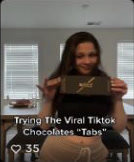
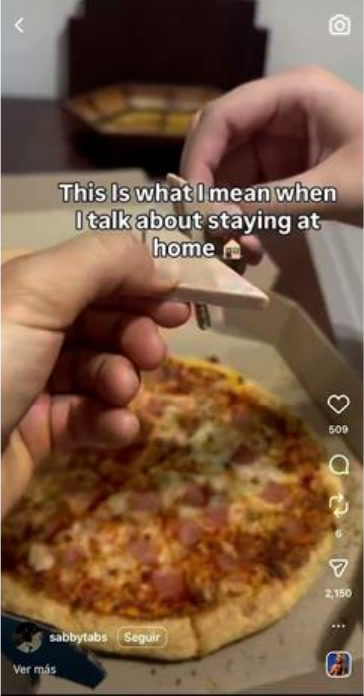
What a creator wall looks like: our version for Tabs
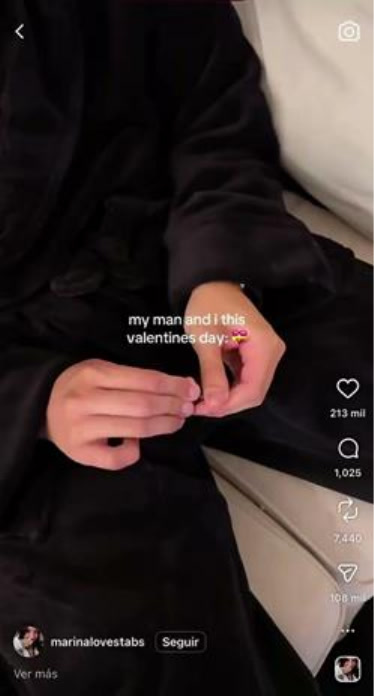
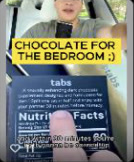
This is the program we built and run for Tabs Chocolate: many creator accounts posting every day. Most get a handful of likes. A few break out into the millions. Want to see Wispr Flow's own ads? They're public in the Meta Ad Library, linked in the sources below.
 ▶ 6.5M views

 ▶ 3.9M views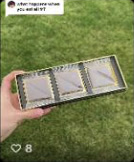

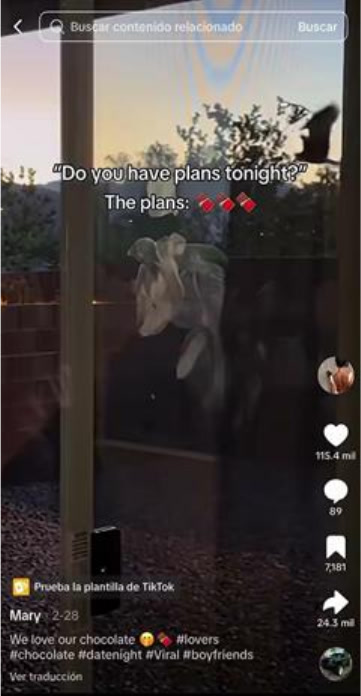 ▶ 2.3M views
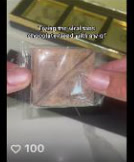
 ▶ 149K views

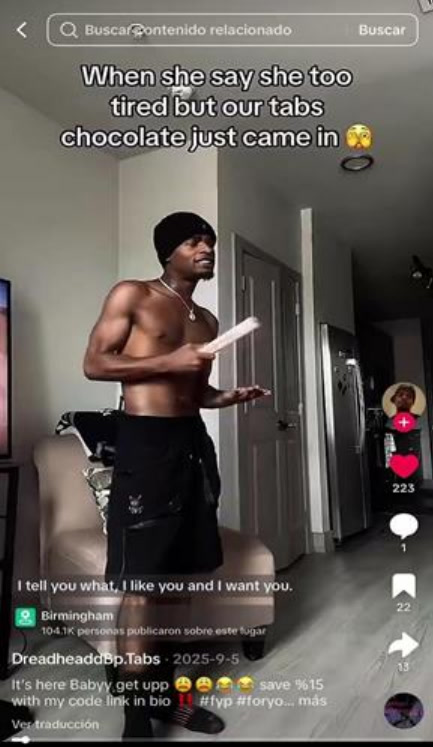
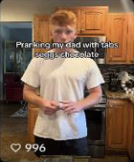

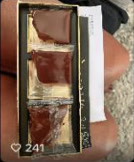
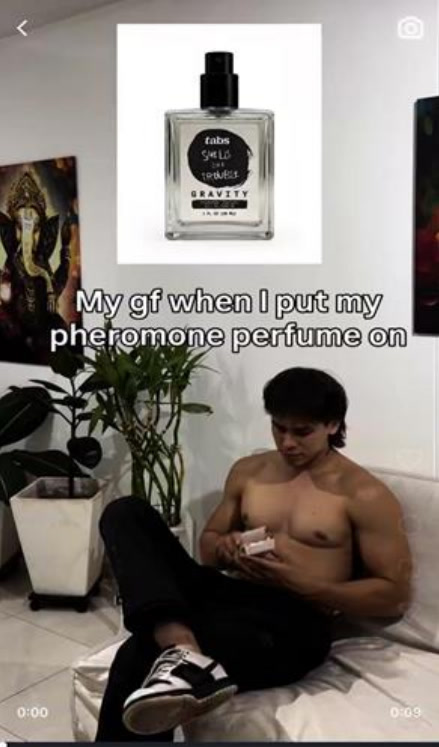
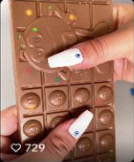


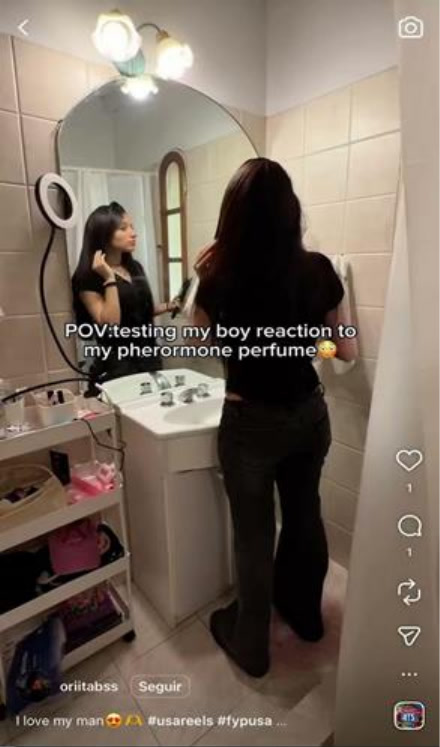



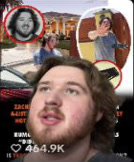
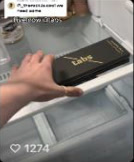
Stills from creator posts in the Tabs Chocolate program. Like counts are as shown on each post.
THE HONEST PART
What it takes to run this yourself
Every move above is somebody's job. To run the playbook, you need people covering five roles. We've listed them so you can check honestly whether you have them.
If you have this covered, run the playbook. If you don't, that's the job we do: Creator Programs puts one team on all of it, for $5,000 a month.
Get the full playbook, with every template
Everything on this page, plus the working pieces you can copy straight into your program:
- Rate calculator
- Retainer terms (one page)
- Gap map
- DM scripts
- Thursday call agenda (45 minutes)
- Scaling checklist (5 → 60)
- New-concept checklist
We'll email you about creator programs now and then. Unsubscribe any time.
Questions
Is this the official Wispr Flow playbook?
No. It's our breakdown of what Hector Serrano described publicly, plus our own templates. We're not affiliated with Wispr Flow.
Does performance pay work for ecommerce?
Hector's version uses a percentage of GMV for ecommerce brands and a percentage of ad spend for software brands.
What's in the PDF?
Every move above plus the templates: rate calculator, retainer terms, gap map, three DM scripts, the Thursday call agenda, the scaling checklist and the new-concept checklist.
How many creators do I need to start?
Four or five, each filling a different gap in your ad library. Wispr Flow started there and doubled from it.
Which ad platforms does this work on?
As reported, Wispr Flow runs it across Meta, AppLovin and TikTok, with more platforms planned.
What does it cost to start?
Illustrative: five creators on a $1,000 floor is up to $5,000 in top-ups the first month, plus the share of ad spend once their ads get spend.
Do I need a creator platform?
Wispr Flow runs the program on Trybe, but as reported most of its best creators came from outside the platform's applications.
Can you run this for us?
Yes. That's what Creator Programs is: sourcing, vetting, briefs, contracts, usage rights and content delivered ready to run, for $5,000 a month.
dependables. is not affiliated with Wispr Flow or Hector Serrano. Wispr Flow figures are as he described them publicly and as reported in the write-ups below; we haven't verified them independently. Steps marked as ours, and all templates, are dependables' own guidance.
Sources