Tabs Chocolate is one of the most viral consumer brands online. Its creator program reaches more than 100 million organic views a month across TikTok, Instagram and YouTube. That's reach the brand doesn't pay for per impression.
We built and ran that engine. This is how it's put together, part by part. Where we talk about Tabs, we only use numbers already public in our case study. Where we explain how to run each part yourself, that's our playbook, and we say so.
The free PDF has the working pieces: the weekly scoreboard, the roster card, the daily posting rules, the review sheet and a 30-day plan to launch your own roster.

Creator Programs by dependables.
- Creator sourcing and vetting
- Briefs, contracts and usage rights
- Content delivered ready for ads
- One team running it end to end
01 / 06 · THE GOAL
1. Aim for reach you don't pay for
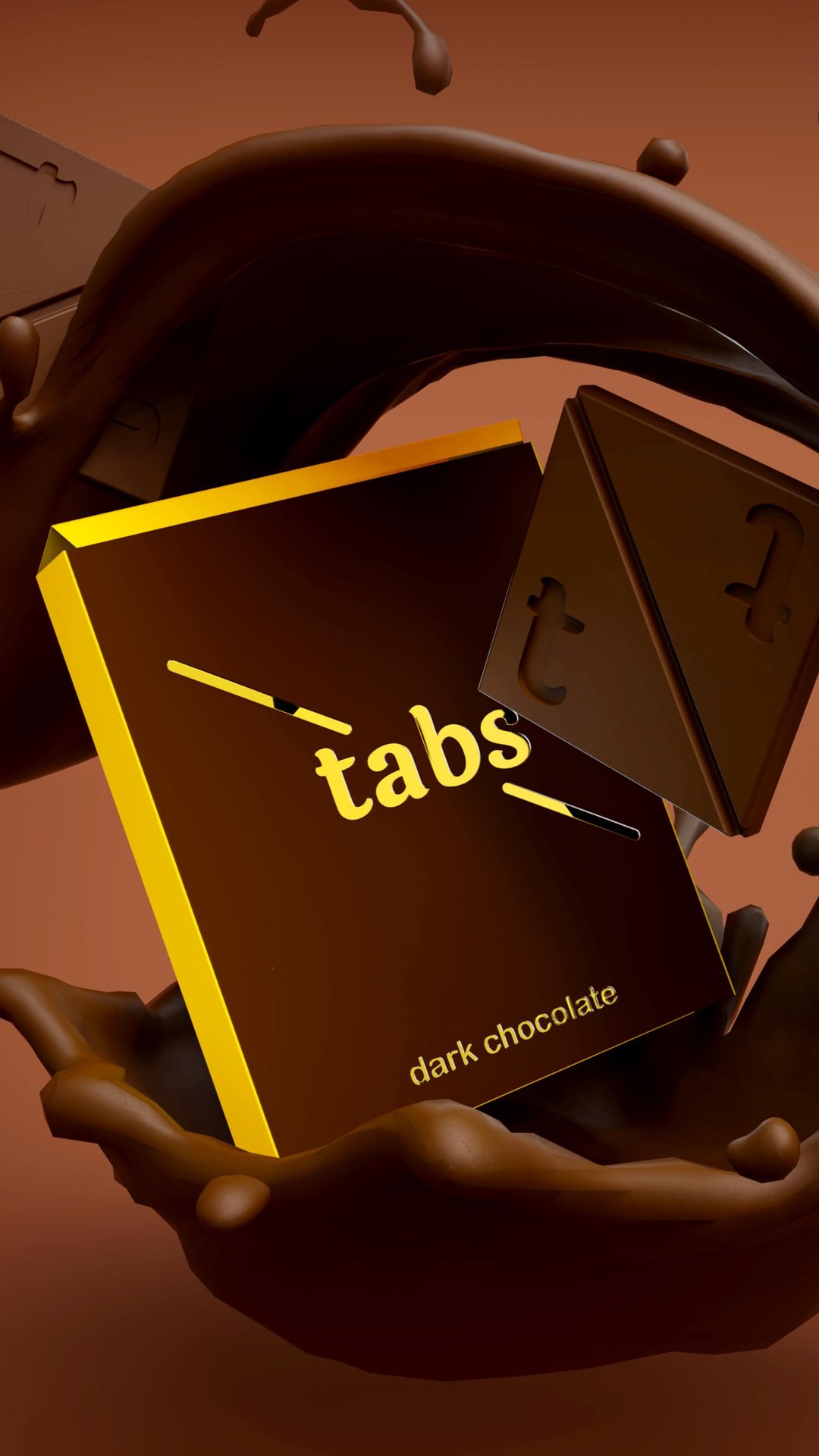
The problem Tabs needed solved was simple to say: reach that didn't depend on paid spend. Every part of the engine is built around that one goal.
Paid reach stops when the budget stops. Organic creator reach works differently. Every post is a new chance for the algorithm to find an audience, and the posts that hit keep getting views for weeks.
Over time the engine also builds a library. Every post is a piece of content you can learn from, and the breakouts tell you exactly which ideas people want more of.
The 100M+ views a month across TikTok, Instagram and YouTube are organic: real views on posts, not paid impressions.
How to set it up
- Pick one number to run the program on: organic views a month across every account.
- Track it weekly, not daily. Daily numbers swing too much to steer by.
- Add two supporting numbers: posts published and posts that broke out.
- Review the scoreboard at the same time every week with the whole team.
- Decide upfront that paid spend is a separate program, so it doesn't muddy the read.
The mistake that breaks it: Judging the program on the first two weeks. Organic engines are built on volume, and two weeks isn't enough posts to see the curve.
In the free PDF: Weekly scoreboard template.Get the PDF ↓
Most posts get a few hundred views. A few break out, and volume does the rest.From the Tabs case study
02 / 06 · THE ROSTER
2. Build a roster, not one big influencer
The common move is to pay one big creator for one big post. If it hits, great. If it doesn't, the money's gone and so is the moment.
The Tabs engine runs on many creator accounts posting about one brand instead of one star. The case study calls it a wall of creators.
A roster spreads the risk. No single creator going quiet, having a bad week or leaving stops the program. And different creators reach different corners of each platform, which a single account never will.
It also changes what you look for in a creator. With a roster, you care less about follower count and more about whether someone can post well, consistently, every day.
How to set it up
- Recruit for consistency first: can this person post every day for a month?
- Mix styles and personalities so the roster doesn't look like one creator ten times.
- Start smaller than you think and add creators as your review process keeps up. (Our rule.)
- Give every creator a one-page roster card with the brand basics and the dos and don'ts.
- Replace creators who stop posting quickly. The roster only works at full strength.
The mistake that breaks it: Picking creators by follower count. On a daily-posting roster, reliability beats reach every time.
In the free PDF: Roster card template, one page per creator.Get the PDF ↓
03 / 06 · THE CADENCE
3. Post every day to dedicated brand accounts

Creators in the Tabs engine post daily to dedicated brand accounts, accounts set up for the brand rather than the creator's personal feed.
Daily posting is what turns a handful of videos into a steady flow the algorithm can keep testing. Each post is another chance to break out. Skipping days doesn't just lose those posts. It slows how quickly each account learns what works.
Dedicated accounts keep the content focused. Every post on the account is about the brand, so the audience it builds is an audience for the brand.
And it runs on three platforms at once: TikTok, Instagram and YouTube. The same idea can break out on one platform and do nothing on another, so being on all three catches more of the upside.
How to set it up
- Set up each dedicated account with a clear name, bio and link before the first post.
- Agree a daily posting window with each creator.
- Post natively on each platform rather than with another app's watermark on the video. (Our rule.)
- Batch filming so a sick day doesn't break the streak.
- Check every account daily for missed posts and fix gaps the same day.
The mistake that breaks it: Posting in bursts. Ten posts on Monday and none for a week reads to the algorithm like an account that isn't serious.
In the free PDF: Daily posting rules for creators.Get the PDF ↓
Get the full playbook, with every template
Everything on this page, plus the working pieces you can copy straight into your program:
- Weekly scoreboard
- Roster card (one per creator)
- Daily posting rules
- Breakout review sheet
- Weekly review agenda (30 minutes)
- Team roles
- 30-day plan
We'll email you about creator programs now and then. Unsubscribe any time.
04 / 06 · THE MATH
4. Expect most posts to get a few hundred views

This is the part most brands give up on. In the Tabs engine, most posts get a few hundred views. A few break out, and volume does the rest.
It's a portfolio, not a hit factory. You're not trying to make every post work. You're trying to make enough posts that the breakouts carry the month.
The breakouts are big. In the Tabs program, one reel reached 17.7M views with 347K engagements, one video reached 8M views with 11% engagement and another reel reached 6.5M.
Here's an illustrative version of the math, not Tabs' actual numbers: 30 accounts posting once a day is about 900 posts a month. If most get a few hundred views and a handful break into the millions, the handful does most of the work. Cut the volume in half and you don't just halve the views. You halve your chances of a breakout.
How to set it up
- Commit to volume for at least a full month before judging anything.
- Expect a few hundred views on a normal post and plan for that.
- Flag every post that clearly beats the account's usual numbers within 48 hours.
- Study the breakouts, not the averages. That's where the next ideas come from.
- Never cut volume to 'focus on quality' after a slow week.
The mistake that breaks it: Treating a few hundred views as failure. In a volume engine that's the normal result, and pulling back is what kills the breakouts.
In the free PDF: Breakout review sheet: what to log for every post that hits.Get the PDF ↓
Real posts from the Tabs program
The wall: what the roster actually posts
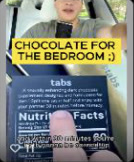
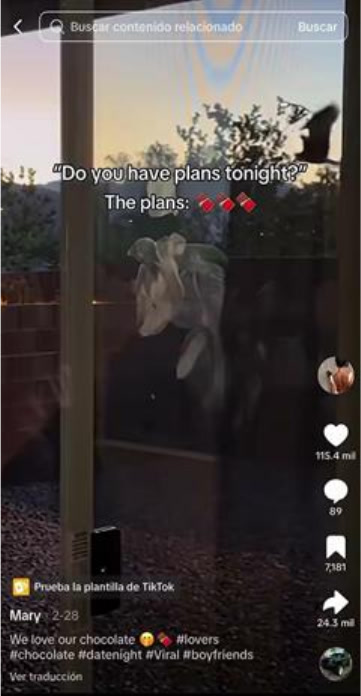
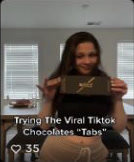
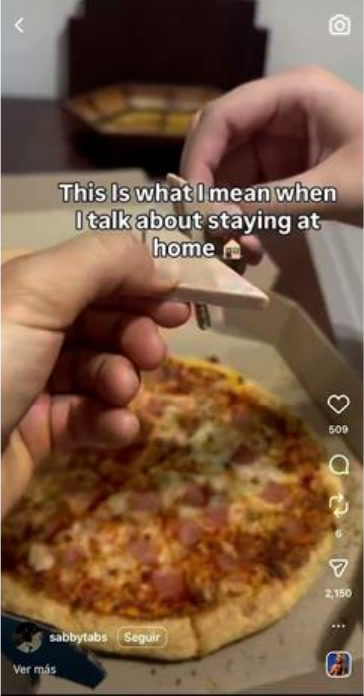
Real posts from the Tabs program. Look at the like counts: 8, 15, 35, 100... then 22.9K, 136.8K, 464.9K. Most posts are small. The breakouts carry the month.
 ▶ 6.5M views
 ▶ 3.9M views

 ▶ 2.3M views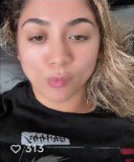
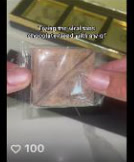
 ▶ 149K views


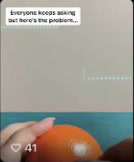
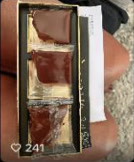

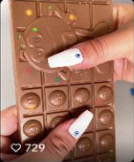
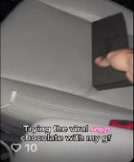

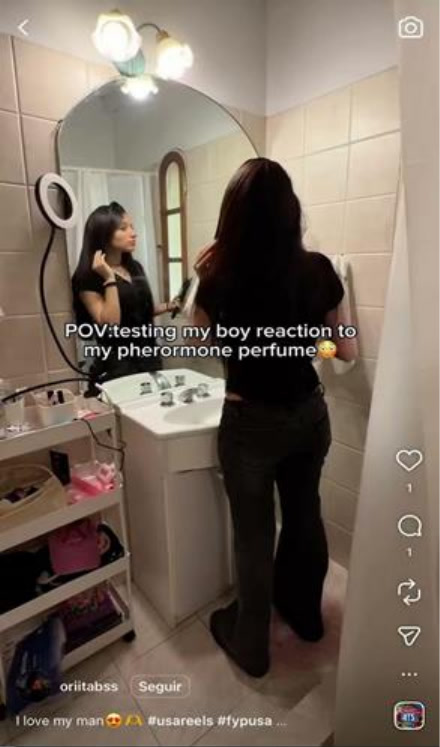



Stills from creator posts in the Tabs Chocolate program. Like counts are as shown on each post.
05 / 06 · THE LOOP
5. Feed the breakouts back into the briefs

Volume alone isn't the engine. The loop is: post, see what breaks out, brief the next round around it, post again.
When a post breaks out, the useful question isn't 'how do we copy it?' It's 'what did people respond to?' Maybe it's a format, a hook, a situation or a feeling. That insight goes back to the whole roster as a new prompt.
Over weeks, the roster's average improves because everyone learns from everyone's breakouts, not just their own.
This is how we run the loop for clients. It's our process, and it's the part that keeps a roster from going stale.
How to set it up
- Hold one short weekly review of the week's breakouts.
- Write the insight from each breakout in one sentence.
- Turn the best insights into two or three prompts for the whole roster.
- Ask creators to make their own take, not a copy.
- Retire prompts that stop producing breakouts after two weeks.
The mistake that breaks it: Letting each creator learn alone. A roster that doesn't share what's working is just a lot of separate accounts.
In the free PDF: Weekly review agenda and prompt template.Get the PDF ↓
06 / 06 · THE TEAM
6. Have one team run it every day
A roster posting daily across three platforms is an operations job, and it doesn't run itself.
Someone has to find and vet creators, write the roster cards and prompts, handle contracts and usage rights, check every account daily, run the weekly review and keep everyone posting.
Most brands try to fit this into a marketer's spare time. That's usually where it stalls, because daily posting needs daily attention.
At dependables., Stephanie and the creator team run this every day. Danilo built and ran the engine for Tabs. It's the same team, and the same process, behind Creator Programs.
How to set it up
- Name one owner for the program, full time or close to it.
- Split recruiting and daily account checks if the roster grows.
- Keep contracts and usage rights in one place from day one.
- Run the weekly review at a fixed time and never skip it.
- Report the scoreboard to leadership weekly so the program keeps support.
The mistake that breaks it: Running it as a side project. Daily cadence plus part-time attention ends in missed posts, then missed weeks, then no program.
In the free PDF: Team roles and weekly calendar.Get the PDF ↓
THE HONEST PART
Your first 30 days, if you build it yourself
Here's how we'd sequence a launch. It's our plan, not Tabs' timeline.
If you have this covered, run the playbook. If you don't, that's the job we do: Creator Programs puts one team on all of it, for $5,000 a month.
Get the full playbook, with every template
Everything on this page, plus the working pieces you can copy straight into your program:
- Weekly scoreboard
- Roster card (one per creator)
- Daily posting rules
- Breakout review sheet
- Weekly review agenda (30 minutes)
- Team roles
- 30-day plan
We'll email you about creator programs now and then. Unsubscribe any time.
Questions
Can any brand do this?
The engine fits consumer brands with a product people enjoy seeing on camera. The roster, cadence and loop work the same way for most consumer and app brands.
Is this paid or organic?
The Tabs numbers are organic reach across TikTok, Instagram and YouTube, not paid impressions.
What's in the PDF?
The full engine plus the working pieces: the weekly scoreboard, roster card, daily posting rules, breakout review sheet, weekly review agenda, team roles and the 30-day plan.
How many creators do I need?
Enough that accounts × daily posts × 30 gives you hundreds of posts a month. Start where your review process can keep up and add from there.
Do creators post on their own accounts?
In the Tabs engine, creators post to dedicated brand accounts.
How long before it works?
Give it at least a full month of daily posting before judging. Volume is what produces the breakouts.
Can you build this for us?
Yes. That's what Creator Programs is: sourcing, vetting, briefs, contracts, usage rights and content delivered ready to run, for $5,000 a month.
Tabs view counts are real and come from our public case study. Images are illustrative. The how-to steps, the 30-day plan and every template are dependables' own playbook. The volume math is an illustration, not Tabs' actual roster size.
Sources